JR East Expands Mobile Payment Acceptance at Ticket Gates
JR East has significantly expanded the acceptance of mobile payment methods and QR code scanning at ticket gates across its railway network. This initiative, which includes support for services like Suica and PASMO via smartphones, aims to reduce reliance on physical paper tickets and traditional IC cards in favor of a more integrated digital payment ecosystem.
JR East has expanded the acceptance of mobile payments and QR codes at ticket gates across its railway network, marking a significant step in its effort to reduce reliance on physical paper tickets and traditional IC cards. The expansion covers all JR East lines, including the Yamanote Line and the Chuo Line, as well as other major routes such as the Tohoku Shinkansen.
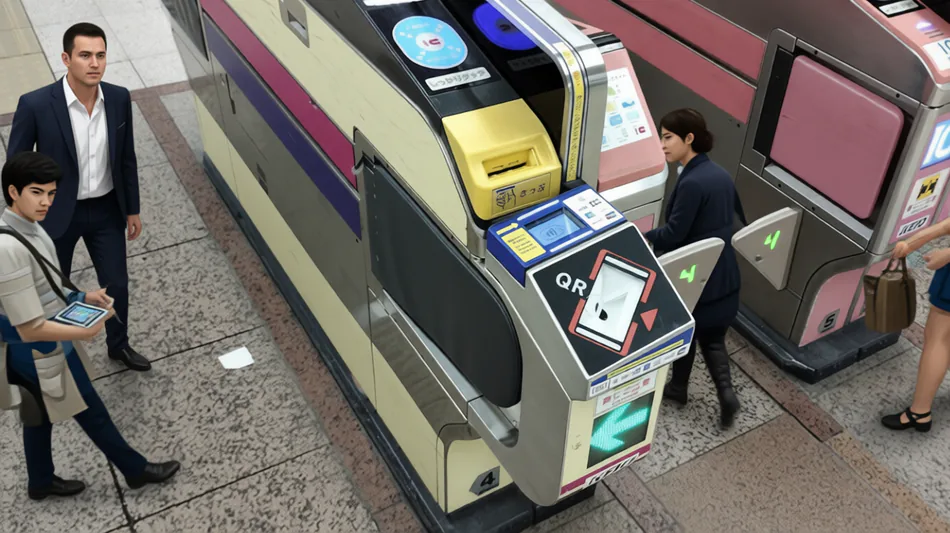
The company has introduced new ticket gates that support QR code scanning for mobile payments. This development is part of a broader initiative to promote the use of smartphones for transit payments, aiming to create a more seamless and efficient travel experience for passengers. The new gates are designed to accept various forms of digital payment, including those linked to major credit cards and mobile wallets.
JR East has also announced plans to introduce a new service that will allow passengers to use their smartphones as IC cards. This service, which is expected to be launched in the near future, will enable users to tap their phones on ticket gates to enter and exit stations, similar to how they would use a physical Suica or PASMO card. The company aims to make this service available to all JR East passengers by the end of the year.
The expansion of mobile payment acceptance is part of JR East's broader digital transformation strategy. The company has been working to modernize its ticketing systems and improve the overall passenger experience. By reducing the need for physical tickets and cards, JR East hopes to streamline the boarding process and reduce congestion at station entrances and exits.
JR East has also announced that it will be working with other railway companies to promote the use of mobile payments across the industry. The company believes that a unified approach to digital payments will benefit passengers by making it easier to travel between different rail networks.
The move comes as Japan's railway industry faces increasing pressure to modernize and adapt to changing passenger preferences. With the rise of cashless payments and the growing popularity of smartphones, many passengers are looking for more convenient and efficient ways to pay for their travels. JR East's decision to expand mobile payment acceptance is seen as a response to these changing trends.
JR East has also announced that it will be investing in new technology to support the expansion of mobile payments. This includes upgrading ticket gates and other infrastructure to ensure that they can handle the increased volume of digital transactions. The company is also working on improving its customer service to help passengers who may have questions or concerns about using mobile payments.
The expansion of mobile payment acceptance is expected to have a significant impact on the railway industry in Japan. By making it easier for passengers to pay for their travels, JR East hopes to encourage more people to use public transportation and reduce the number of cars on the road. The company also believes that the move will help to improve the overall efficiency of the rail network.
JR East has been a leader in the adoption of new technologies in the railway industry, having introduced the Shinkansen bullet train and other innovative services in the past. The company's decision to expand mobile payment acceptance is seen as another step in its ongoing efforts to modernize and improve the passenger experience.
Y.Androsch--SbgTB